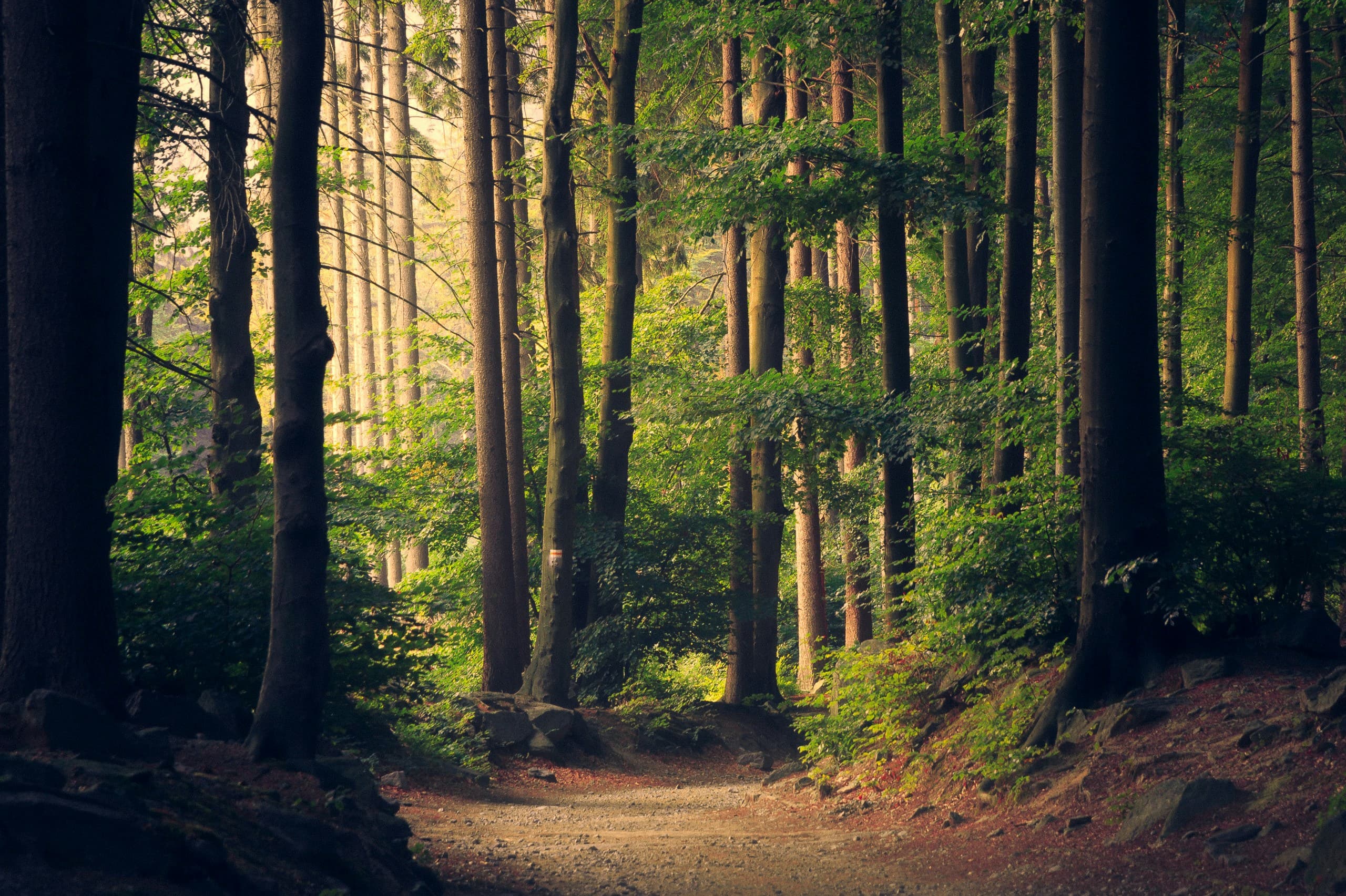
Dense stands of softwood near Greenville provide critical winter shelter for deer, a habitat type wildlife biologists say has declined significantly across northern Maine as forestry practices and land ownership patterns have shifted over the decades.
State wildlife officials have worked with several large landowners to identify and protect remaining wintering areas, an effort that requires balancing habitat protection with the economic realities of active timber operations. Forestry representatives say the collaboration has been more successful than similar efforts elsewhere, in part because maintaining some mature softwood cover aligns with long-term timber management goals as well.
A Careful Balance
Not every landowner has participated, and biologists acknowledge that voluntary habitat agreements leave gaps that mandatory protections might close more consistently. Industry representatives counter that flexible, landowner-driven approaches have produced more durable results than adversarial regulation would have.
Both sides describe the current arrangement as imperfect but workable, a rare example of sustained cooperation between conservation and forestry interests in a region where the two have not always aligned.